No products in the cart.
Thanjavur Ekhanda Veena – Full Carving
Description
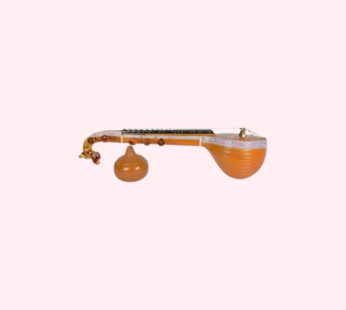
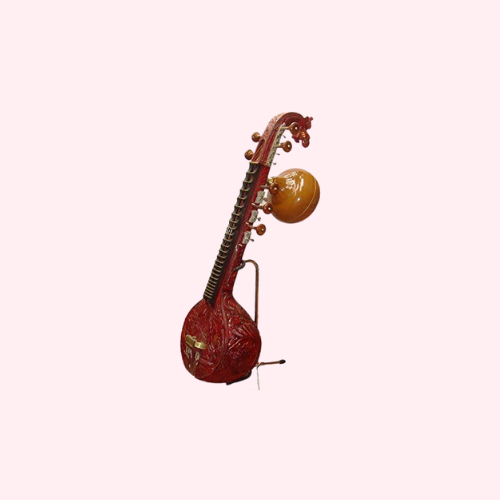
The Thanjavur Ekhanda Veena with Full Carving is widely considered the pinnacle of South Indian instrument craftsmanship, distinguished primarily by its “Ekhanda” construction. This means the entire body of the instrument—the large resonator (Kudam), the long neck (Dandi), and the ornamental head (Yali)—is painstakingly hollowed out and shaped from a single, solid block of seasoned jackwood. Unlike the standard “Sada” or “Ottu” Veenas, which are assembled from three separate pieces of wood, the Ekhanda variety offers superior tonal continuity and structural integrity. The jackwood used is typically sourced from mature trees in the Panruti region, selected for its unique ability to withstand temperature fluctuations while providing a warm, resonant acoustic profile.
The “Full Carving” designation refers to the extensive and intricate hand-chiselled artistry that covers the instrument’s exterior, transforming it into a visual masterpiece. Skilled Thanjavur artisans spend weeks engraving detailed motifs across the resonator and neck, often depicting floral patterns, peacocks, or sacred deities like Goddess Saraswati and the Ashtalakshmis. These deep carvings are not merely decorative; in some traditions, the specific “deep-cut” style of carving is believed to allow the wood to breathe and vibrate more freely, potentially enhancing the natural feedback-resistance and sustain of the instrument. The neck culminates in a magnificently carved Yali, a mythical dragon-like creature that serves as both a functional tuning box and a symbol of cultural protection.
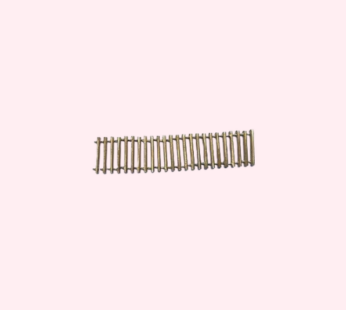
Beyond its aesthetic grandeur, this Veena is a precision-engineered tool for Carnatic music, featuring the standardized 24-fret system introduced in the 17th century by King Raghunatha Nayak of Thanjavur. The frets are made of high-quality brass or bell metal and are set in a traditional bed of hardened black beeswax and charcoal. As the first musical instrument in India to receive a Geographical Indication (GI) tag, a Thanjavur Ekhanda Veena represents a protected heritage craft that requires nearly 20 days of continuous labor by master craftsmen. For professional artists, the combination of a single-piece body and full-surface carving represents the ultimate investment in both acoustic brilliance and artistic legacy.
Related products
50%
50%