No products in the cart.
Madhura Veena
Description
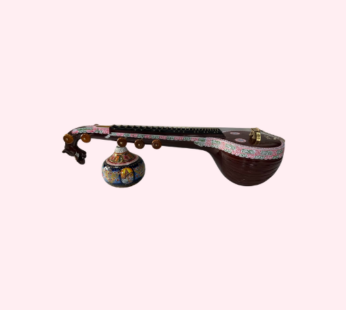
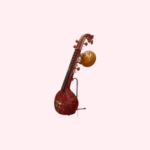
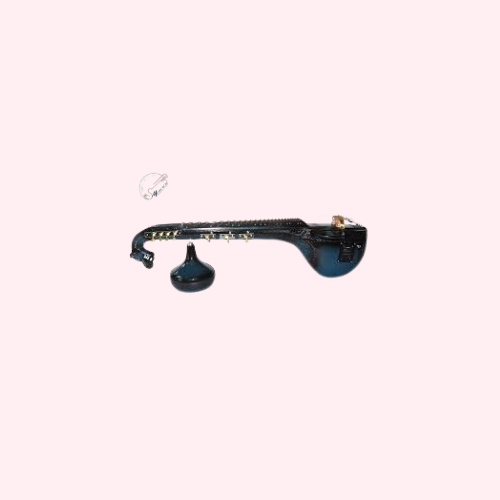
The Madhura Veena (often spelled Madura Veena) is a specialized modern variant of the traditional Saraswati Veena, designed to blend classical aesthetics with contemporary portability and technical convenience. Its most defining physical characteristic is its oval-shaped resonator and slightly smaller overall scale compared to the full-sized Thanjavur models. To enhance its utility for modern performers, the Madhura Veena is frequently equipped with an in-built contact microphone or “Fishermen” pickup. This allows the instrument to be easily connected to amplifiers or recording interfaces without the need for external microphones, making it a popular choice for light classical music, fusion, and studio recordings.
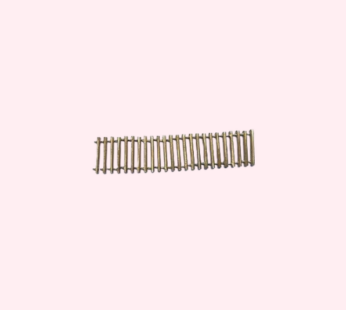
While it retains the essential soul of the traditional Veena, the Madhura Veena often incorporates innovative materials to ensure durability and ease of maintenance. While the top plank (soundboard) is typically made of seasoned jackwood to preserve the acoustic warmth, other parts like the main resonator (Kudam) or the secondary resonator may be crafted from high-grade fiberglass. These modifications make the instrument significantly lighter—usually weighing around 5 kg—and more resistant to the environmental changes that often cause traditional wooden instruments to crack. Some models even replace the traditional wax-set frets with stainless steel frets fixed directly into the wood using screws, eliminating the need for periodic “fret-setting” with beeswax.
Musically, the Madhura Veena maintains the core technical requirements of Carnatic music, featuring the standard seven-string configuration (four melody strings and three drone strings) and 24 frets covering a three-octave range. Despite its smaller size, it is designed to produce a sweet, clear tone that is particularly effective when amplified. Its compact form factor makes it an ideal “travel Veena” for students and touring musicians who find the bulk of a traditional Thanjavur Ekhanda Veena difficult to transport. It serves as a bridge between the ancient Vedic tradition and the needs of the 21st-century global musician.
Related products
50%