No products in the cart.
Thanjavur Joint Veena
50%
Description
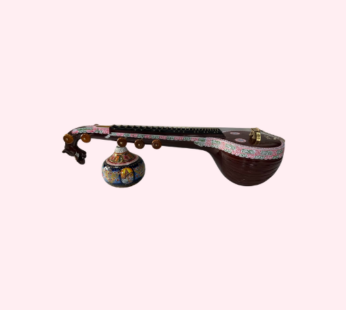
The Thanjavur Joint Veena (commonly referred to as the Sada Veena or Ottu Veena) is a professional-grade Saraswati Veena characterized by its classic three-piece assembly. Unlike the Ekhanda variety, which is carved from a single block of wood, the Joint Veena is constructed by separately crafting the three main components: the large resonator (Kudam), the hollow neck (Dandi), and the ornamental head (Yali). These sections are then meticulously joined together using traditional adhesives and resins to form a cohesive, resonant instrument. This method is the historical standard in Thanjavur and is favored by many musicians for its balanced weight and reliable structural stability.
Constructed from the seasoned wood of mature jackfruit trees, the Joint Veena is renowned for its bright and punchy acoustic response. The use of three separate pieces allows artisans to select the best wood grain for each specific part—ensuring the resonator is optimally hollowed for sound projection while the neck remains straight and durable under string tension. The wood is typically sourced from regions like Panruti, known for producing jackwood that can withstand various climatic conditions, making the instrument durable for performers who travel.
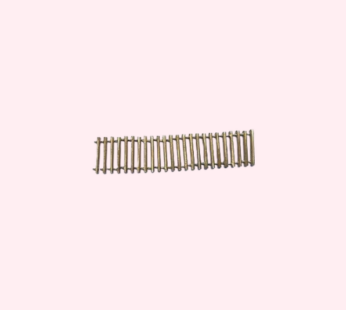
The Thanjavur Joint Veena features the complete 24-fret system, enabling musicians to play the full range of Carnatic ragas with precision. These brass frets are embedded in a specialized bed of hardened black beeswax and charcoal powder, a design that facilitates the fluid lateral string pulls known as Gamakas. As a product of Thanjavur with a Geographical Indication (GI) tag, each instrument is handcrafted by hereditary artisans who often decorate the wood with traditional paintings or light carvings of floral and bird motifs. This model offers an excellent entry-to-midpoint for serious practitioners who seek the authentic “Thanjavur sound” and craftsmanship at a more accessible price point than the single-piece Ekhanda models.
Related products
50%